17 May 2026
The Best Time of Year for a Luxury Bali Lombok Trip.
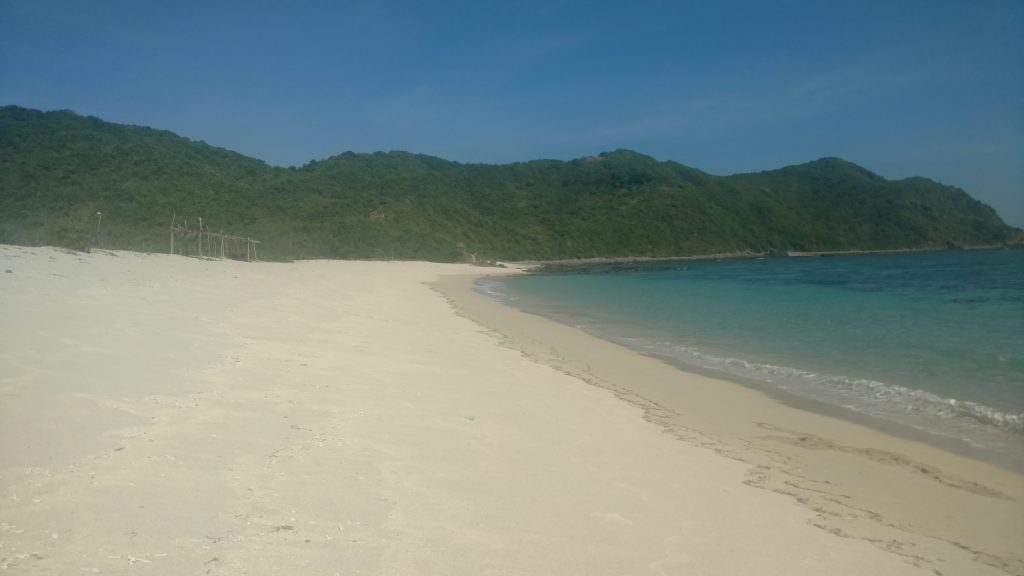
The air hangs thick with the scent of frangipani and clove-scented kretek smoke. A gamelan orchestra hums in the distance, a hypnotic, metallic rhythm that seems to emanate from the very soil of the island. You’re sipping a chilled mangosteen juice on the veranda of your private villa, watching the sun dip below a horizon of terraced rice paddies that cascade down the hillside like a liquid emerald staircase. This is the sensory immersion that awaits. But timing, as with all things in life and luxury travel, is everything. Deciding when to your next bali lombok journey is the first, and most critical, step in crafting an unforgettable experience. It’s the difference between a tranquil escape and a trip spent crowds of high season.
Decoding the Seasons: Dry vs. Wet in the Lesser Sundas
Unlike the four distinct seasons of the northern hemisphere, the Indonesian archipelago, including Bali and Lombok, operates on a simpler, more dramatic binary: the dry season and the wet season. Understanding the nuances of this tropical rhythm is fundamental to planning the best time for a luxury Bali Lombok trip. The dry season, which typically runs from April through October, is characterized by lower humidity, consistent sunshine, and minimal precipitation. Daily temperatures hover comfortably between 26-28°C (79-82°F), and ocean breezes, particularly on the southern coasts, provide a welcome reprieve from the equatorial sun. This is the period when the islands are at their most accessible, with ideal conditions for everything from scaling Mount Rinjani in Lombok to exploring the underwater coral gardens off the Gili Islands, where visibility can exceed 30 meters. Our contacts at the top dive centers consistently recommend September for the clearest waters and frequent Manta Ray sightings near Nusa Penida.
Conversely, the wet season, or “green season,” arrives with the monsoon winds from November to March. This period brings higher humidity and daily afternoon downpours that are often intense but brief, usually lasting only a few hours. Monthly rainfall can exceed 300 millimeters, transforming the landscape into a vibrant, super-saturated canvas of green. While some travelers are deterred by the rain, the discerning few recognize its advantages. The downpours clear the air, the tourist throngs thin out considerably, and the island’s famous rice paddies, part of a UNESCO World Heritage-listed Subak system, are at their most photogenic. It’s a time for introspection, wellness retreats, and enjoying the dramatic ambiance of a tropical storm from the comfort of a top-tier resort.
The Peak Season Sweet Spot: June through August
For many, the months of June, July, and August represent the zenith of the travel calendar. This is the heart of the dry season, offering weeks of uninterrupted sunshine and balmy evenings perfect for al fresco dining in Seminyak or watching the sunset from a cliffside bar in Uluwatu. The weather is, without question, sublime. This period also coincides with major European and Australian holidays, resulting in a significant influx of visitors. Consequently, this is when demand for premium accommodations, from the private pool villas of The Mulia to the secluded estates in Sayan, is at its absolute highest. We advise our readers to secure reservations at least six to nine months in advance for travel during this window. Prices for flights and five-star hotels can see a 30% to 50% premium compared to the shoulder seasons. For a detailed breakdown of what to expect financially, our Next Bali Lombok Pricing & Cost Guide offers invaluable insights.
This season is also culturally vibrant. The Bali Arts Festival, a month-long celebration of local dance, music, and craftsmanship, typically kicks off in mid-June in Denpasar, offering an authentic, high-energy cultural immersion. The winds are also favorable for watersports; the east coast of Bali becomes a world-renowned destination for kitesurfing, with peak conditions from June to August. While the energy is palpable and the social scene in areas like Canggu and Seminyak is at its most dynamic, it’s crucial to manage expectations. The island’s infrastructure can feel strained, with traffic congestion becoming a significant factor. A 15-kilometer journey that might take 30 minutes in October could easily stretch to 90 minutes in July. For a luxury experience, this means planning itineraries with a private driver and focusing on properties that offer a sanctuary away from the busiest hubs.
The Shoulder Seasons: April-May & September-October for the Discerning Traveler
Herein lies the insider’s secret, the period that seasoned editors and travel connoisseurs consistently identify as the absolute best time for a luxury Bali and Lombok trip. The shoulder months—April, May, September, and October—offer a near-perfect synthesis of the dry season’s excellent weather with a welcome reduction in visitor numbers. The intense tourism pressure of July and August has yet to build or has just begun to recede, creating a more relaxed and authentic atmosphere. The landscape in April and May is still exceptionally lush following the rains, while September and October retain the dry season’s sunshine before the humidity begins to creep back. During these months, securing a reservation at a coveted restaurant like Metis or securing a private yacht charter to the Gili Islands becomes significantly easier. You will find more space on the beaches of Kuta in Lombok and a more tranquil ambiance at the water temples of Tirta Empul and Ulun Danu Beratan.
From a value perspective, this period is unmatched. While not as inexpensive as the low season, prices for top-tier suites and villas are noticeably more accessible than during the summer peak. This allows your budget to stretch further, perhaps upgrading to an ocean-front villa or indulging in more bespoke experiences, like a private helicopter tour over Mount Batur. For active travelers, conditions are ideal. Surf breaks on the Bukit Peninsula see consistent swells without the crowded lineups of August. Dive conditions remain pristine, and trekking routes are dry and pleasant. This is the time to truly connect with the islands, to have a more personal interaction with the culture, and to enjoy the top-tier hospitality without the accompanying crowds. For a comprehensive look at what these islands offer, The Definitive Next Bali Lombok Guide is an essential resource for planning your itinerary.
Embracing the “Green Season”: A Luxury Perspective on November to March
While many travel guides dismiss the months of November through March as the “rainy season,” we prefer to frame it as the “green season.” This is a time when the islands are at their most verdant and introspective. The daily rhythm is punctuated by afternoon deluges, which are often predictable, allowing for mornings of exploration followed by afternoons dedicated to wellness and relaxation. This is the prime season for indulging in Bali’s legendary spa culture. Imagine receiving a traditional Balinese massage in an open-air pavilion as the sound of rain drums on the thatched roof—a deeply meditative experience. It’s also an excellent time for culinary exploration, with renowned cooking schools like that at the Four Seasons Sayan offering intimate classes focusing on the rich, complex flavors of Indonesian cuisine. The crowds thin to a fraction of their peak-season size, and the prevailing atmosphere is one of peace and rejuvenation.
Of course, there are practical considerations. High winds and rough seas can sometimes disrupt ferry services between Bali, Lombok, and the Gili Islands. It’s wise to build some flexibility into your inter-island travel plans. However, the trade-offs are significant. Accommodation rates can be as much as 50% lower than in the high season, making even the most exclusive resorts a more attainable luxury. Photographers will appreciate the dramatic cloud formations and the intense, saturated colors of the landscape. According to the official Indonesia Travel portal, this period offers a unique glimpse into the agricultural heart of the islands, as the life-giving rains nourish the rice terraces. The green season is not for the traveler seeking 24/7 sunshine, but for those looking to experience a different, more tranquil, and deeply restorative side of Bali and Lombok.
Timing Your Trip for Cultural Immersion and Unique Events
Beyond the meteorological patterns, the rich Balinese-Hindu and Sasak cultural calendars offer compelling reasons to plan your visit around specific dates. Perhaps the most unique cultural event is Nyepi, the Balinese “Day of Silence,” which typically occurs in March. For a full 24 hours, the entire island of Bali comes to a complete standstill. The airport closes, no traffic is allowed on the streets, and everyone is expected to stay indoors, refrain from entertainment, and self-reflect. For a luxury traveler, experiencing Nyepi from a resort like Amandari is a singular experience—a forced digital detox and a day of profound tranquility. The night before, however, is anything but quiet, with vibrant Ogoh-ogoh parades, where giant demonic effigies are paraded through the streets before being burned in a purification ritual. Another major festival is Galungan, a 10-day celebration that occurs roughly every 210 days, where the ancestral spirits are believed to visit the earth. The streets are adorned with elaborate “penjor”—tall, decorated bamboo poles—creating a visually spectacular landscape. These events offer an incredible window into the local culture, but they also require careful planning, as many local shops and services may close. In Lombok, the indigenous Sasak people celebrate the Bau Nyale festival (usually in February or March), a fascinating event where thousands gather on the southern beaches to catch a specific type of sea worm, whose appearance is believed to predict the year’s harvest.
Quick FAQ: Your Bali & Lombok Timing Questions Answered
What is the absolute cheapest month to go?
Generally, the lowest prices for flights and accommodations are found between late January and March, excluding any local holiday periods. This is deep in the wet season, but it offers exceptional value for travelers who don’t mind the rain and are seeking a quiet, budget-conscious luxury escape.
I want to surf. When should I book my trip?
For the best and most famous waves on Bali’s west coast, including Uluwatu and Padang Padang, the dry season from May to September is optimal. The offshore winds create perfect, clean barrels. For east coast breaks like Keramas, the wet season (November to March) provides the best conditions.
Is it a bad idea to visit during Ramadan?
While Bali is predominantly Hindu, Lombok is largely Muslim. During the holy month of Ramadan (the dates of which shift annually), you may find some restaurants and warungs closed during the day in Lombok. However, in tourist areas and at all major hotels and resorts, service continues as normal. It has very little impact on a trip to Bali but is worth being mindful of in Lombok, where it can be a unique cultural experience.
How far in advance should I book for a Christmas or New Year’s trip?
The festive season from mid-December to early January is another absolute peak period. To secure your preferred villa or suite at a top property, we strongly recommend booking 9 to 12 months in advance. Many resorts host exclusive galas and events, which also book out early. For assistance with these high-demand bookings, you can explore options to Book Next Bali Lombok with our travel specialists.
Ultimately, the “best” time is a subjective measure, deeply intertwined with your personal definition of a perfect escape. Whether you seek the vibrant energy of the high season, the balanced perfection of the shoulder months, or the meditative solitude of the green season, these islands offer a singular brand of luxury year-round. By aligning your travel dates with your desires, you can ensure your journey is not just a vacation, but a seamless and deeply personal experience. Let us help you craft that perfect itinerary; the world of next bali lombok is waiting to be discovered, timed precisely for you.