Next Bali Lombok
Best Time for Next Bali Lombok
Imagine the first breath of dawn over the Indian Ocean, a soft breeze carrying the scent of frangipani and the distant murmur of waves. The tropical air, already warm, promises a day of vibrant discovery. This is the essence of next bali lombok, a destination where every month paints a different masterpiece of nature and culture. Timing your visit here is less about avoiding a "bad" season and more about aligning your desires with the island's ever-changing rhythms. Do you dream of sun-drenched days spent sailing between the Gilis, or do you seek the quiet contemplation of a rain-kissed rice terrace? Perhaps you crave the thrill of top-tier surf, or the deep immersion into a local festival. Understanding the ebb and flow of weather, marine life, and human activity across the calendar year is key to unlocking the bespoke luxury experience you envision for your Indonesian escape.
01
The Dry Season Zenith: June to September
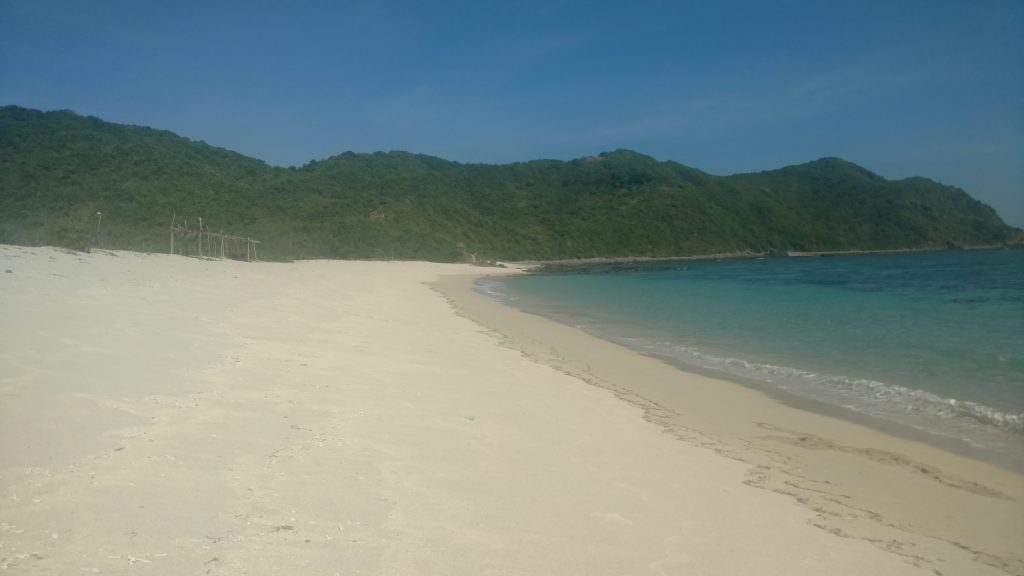
From June through September, next bali lombok unfurls its most celebrated persona: a paradise bathed in consistent sunshine. This period is synonymous with brilliant blue skies, minimal rainfall, and comfortably warm temperatures, averaging 28-31°C. Humidity hovers around a pleasant 70%, making outdoor activities from beach lounging to volcano trekking an absolute delight. The marine conditions during these months are nothing short of spectacular. Waters surrounding Bali, Lombok, and the Nusa Islands boast exceptional clarity, often exceeding 25 meters of visibility, making it prime time for diving and snorkeling excursions. Imagine effortlessly gliding alongside manta rays off Nusa Penida or discovering vibrant coral gardens near Gili Meno, where the water temperature consistently remains a balmy 26-29°C.
However, this idyllic perfection comes with a natural consequence: this is peak season. Luxury resorts across Seminyak, Uluwatu, and Lombok’s Senggigi often report occupancy rates soaring above 90% in July and August. Consequently, prices for flights, exclusive villa rentals, and bespoke experiences can be 20-30% higher than in other periods. Securing your preferred luxury accommodation, especially those with private infinity pools or direct beach access, often requires booking 6-9 months in advance. Popular sites like Tanah Lot Temple or the Monkey Forest in Ubud will see noticeably larger crowds, though a skilled private guide can often navigate these for a more serene experience. For those seeking the ultimate in seamless weather and marine clarity, with budget and crowds secondary considerations, the dry season is unequivocally the golden window for next bali lombok.
Weather & Waters: Sunshine and Clarity
The dry season delivers an average of 9-10 hours of sunshine daily. Rainfall is scarce, typically less than 30mm per month, ensuring uninterrupted days for exploring. Surfers flock to Bali's west coast breaks like Uluwatu and Padang Padang, where consistent swells roll in from the Indian Ocean. Offshore winds keep conditions clean and peeling. Divers find the calm waters and excellent visibility perfect for exploring shipwrecks off Tulamben or drift diving through the rich currents of the Nusa Islands. The pristine conditions extend to island hopping, with fast boats running frequently and smoothly between Bali, Lombok, and the Gilis, allowing for seamless transitions between these enchanting destinations. The air feels crisp, and evenings are refreshingly cool, often dipping to 23°C, perfect for al fresco dining overlooking the ocean.
Crowds & Costs: Peak
While the dry season promises exceptional natural beauty, discerning travelers should be prepared for the busiest period. Iconic beach clubs, high-end restaurants, and exclusive spas will require reservations well in advance. Expect to pay premium rates for private transfers, helicopter tours, and bespoke culinary experiences. Flight prices from major international hubs can see a significant surge, sometimes an increase of up to 40% during peak weeks in July and August. However, for those prioritizing flawless weather and vibrant social scenes, the investment is often considered worthwhile. Despite the crowds, the infrastructure for luxury tourism is robust, with many properties offering secluded havens and personalized services that maintain an intimate atmosphere, even amidst the bustle. For a truly exclusive experience, consider private yacht charters to explore hidden coves away from the main tourist routes.
02
Shoulder Season Sweet Spot: April, May, October
For the traveler who values equilibrium—superb weather tempered by fewer crowds and more attractive pricing—the shoulder seasons of April, May, and October present an irresistible proposition for next bali lombok. These months act as graceful transitions between the wet and dry periods, often delivering the best of both worlds. The air remains warm, with average temperatures hovering between 29-32°C, and humidity is manageable. What truly sets these months apart is the noticeable decrease in tourist density. Queues at popular cultural sites, such as the ancient temples of Besakih or the intricate rice terraces of Jatiluwih, are significantly shorter, allowing for a more contemplative and intimate experience. Hotel rates, particularly for luxury boutique properties, might see a welcome 10-15% reduction from their peak season counterparts.
May, in particular, often stands out as a lesser-known spot. It typically offers consistently clear skies with minimal rainfall, ushering in the dry season's best attributes without its full accompanying surge of visitors. October, following the peak, provides lingering warmth and excellent conditions, with the added benefit of a more relaxed atmosphere across the islands. Surfing conditions can still be excellent on Bali's west coast in April and May, before the dry season's full force, and Lombok's south coast begins to awaken in October. These months are ideal for those seeking a balance of outdoor adventure, cultural immersion, and luxurious relaxation without the intense competition for prime experiences. It’s a time when the islands breathe a little easier, and so can you.
Spring Shoulder: Blossoming Opportunities
April and May mark the end of the wet season, with rainfall becoming increasingly infrequent and brief. Average daily rainfall typically drops to less than 50mm, occurring mostly as short, refreshing showers in the late afternoon or evening. The landscape remains incredibly verdant from the recent rains, making it a visually spectacular time for exploring Bali's interior or Lombok's waterfalls. Waterfalls like Tegenungan or Sekumpul are at their most powerful and photogenic. Marine life remains abundant, and visibility is generally good, though perhaps not as consistently crystal-clear as the absolute peak dry season. Many luxury resorts offer special packages and promotions during this time, allowing for an elevated experience at a more accessible price point. The Ubud Food Festival, often held in April or May, offers a delightful culinary immersion for gourmands.
Autumn Shoulder: Lingering Warmth
October serves as a gentle descent from the dry season, retaining much of its charm. The weather is still predominantly sunny, with average temperatures around 30°C and comfortable humidity. The seas remain warm, around 27°C, and inviting for swimming, snorkeling, and diving. While a slight increase in rainfall can be expected towards the end of the month, it rarely disrupts travel plans. This period is particularly excellent for exploring the natural wonders of Lombok, such as the majestic Mount Rinjani National Park, where trekking conditions are optimal without the scorching heat of peak summer or the slipperiness of the wet season. Fewer tourists mean a more authentic interaction with local culture and easier access to exclusive experiences, from private cooking classes to traditional healing sessions. It’s a time for unhurried exploration and deep relaxation.
03
The Wet Season's Lush Embrace: November to March
From November to March, next bali lombok undergoes a dramatic transformation, embracing its "wet season" persona. Far from being a deterrent, this period offers a distinct and often preferred experience for a particular kind of luxury traveler. The landscape erupts in vibrant greens, with rice paddies shimmering under the sun after a refreshing shower, and tropical foliage reaching its lushest peak. While daily temperatures remain warm, averaging 29-32°C, and humidity rises, the rain typically falls in intense, localized bursts, often in the late afternoon or overnight. These showers are usually brief, lasting an hour or two, quickly giving way to sunshine, creating a dramatic interplay of light and shadow across the volcanic peaks and terraced fields. This seasonality brings significant advantages in terms of crowds and pricing, with hotel rates potentially dropping by 20-40% compared to peak dry season.
For those seeking solitude, cultural depth, and a more authentic connection with the islands, the wet season is profoundly rewarding. Imagine exploring ancient temples shrouded in mist, the air thick with the scent of damp earth and exotic blossoms, or enjoying a private yoga session overlooking emerald rice fields glistening with recent rain. This is a time when the islands feel less like a tourist destination and more like a living, breathing ecosystem. While some marine activities might be affected by reduced visibility after heavy rains, specific opportunities arise, such as observing manta rays more frequently in certain areas or experiencing different surf breaks on the east coast. It's an opportunity to truly unwind, indulge in wellness retreats, and savor the tranquility that fewer visitors bring.
Tropical Showers & Verdant Vistas
During the wet season, average monthly rainfall can exceed 200mm in December and January, but the pattern is key. Mornings are often clear and sunny, perfect for excursions. When the rain arrives, it's typically a warm downpour, easily weathered with a stylish umbrella or a comfortable retreat to a luxury spa. The visual impact is profound: the island transforms into a kaleidoscope of green. This is an ideal time for photography, capturing the dramatic skies and the vibrant, refreshed flora. Waterfalls are at their most powerful, creating spectacular natural displays. The air feels clean and fresh after a shower, often bringing a welcome respite from the heat. Many luxury properties are designed to embrace the rain, with open-air pavilions and covered walkways allowing guests to enjoy the natural beauty without getting wet. Indonesia.travel provides further insights into regional weather patterns.
Marine Life & Monsoon Surfing
While the west coast surfing breaks slow down during the wet season due to onshore winds, the east coast of Bali, particularly around Keramas, comes alive with excellent waves. This offers a different surfing experience for enthusiasts. For divers, while overall visibility might be slightly reduced compared to the dry season, certain marine encounters become more prevalent. Manta rays are often more frequently sighted in specific cleaning stations around Nusa Penida due to plankton blooms. It's also a fantastic time for macro photography, as the slightly murkier water can encourage smaller, more elusive creatures to emerge. Many dive operators adjust their schedules to find the best conditions, often exploring different sites. Exploring the marine biodiversity during this period offers a unique perspective for seasoned underwater adventurers, with water temperatures remaining consistently warm at 27-28°C.
04
Diving & Surfing Calendars: Beyond the Surface
For many, the allure of next bali lombok lies not just on its sun-drenched shores but beneath its crystalline waters and upon its legendary waves. The optimal time for these specific pursuits often dictates a visit more precisely than general weather patterns. The dry season (June to September) is unequivocally the prime window for diving, particularly for the iconic sites around Nusa Islands and further afield to Komodo National Park, a short flight away. During these months, the consistent offshore winds and calm seas lead to exceptional visibility, often exceeding 30 meters, and stable water temperatures. This is when the pelagic action is at its peak, with regular sightings of manta rays, reef sharks, and the majestic mola mola (oceanic sunfish) in certain areas, particularly from July to October. Booking dive trips and liveaboards well in advance is crucial during this period, as spots fill rapidly.
Surfing, however, operates on a slightly different calendar. Bali's famous west coast breaks, like Uluwatu, Padang Padang, and Canggu, deliver their most consistent and powerful swells during the dry season, from May to September. Offshore winds ensure clean, rideable waves. Conversely, during the wet season (November to March), when west coast breaks are affected by onshore winds, the east coast of Bali and the south coast of Lombok come alive. Breaks like Keramas, Sanur Reef, and Lombok’s Gerupuk and Desert Point offer top-tier waves, attracting a different cohort of surfers. Understanding these specific marine and swell calendars allows you to tailor your luxury adventure precisely, ensuring you hit the waves or plunge into the depths at their absolute best, creating indelible memories of your time in next bali lombok.
Underwater Wonders: Visibility & Currents
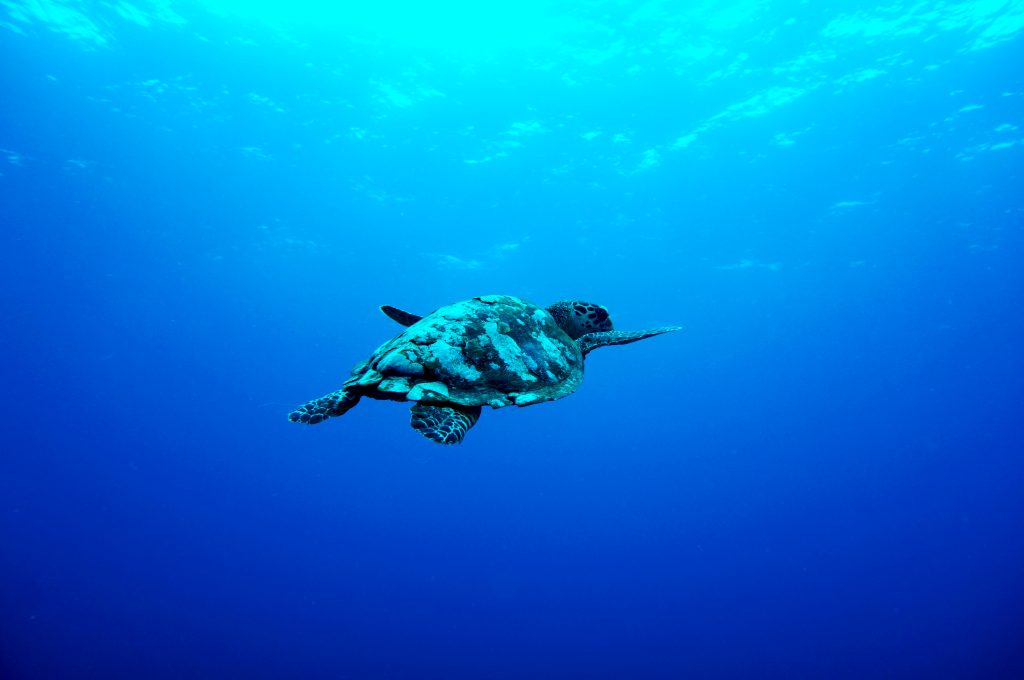
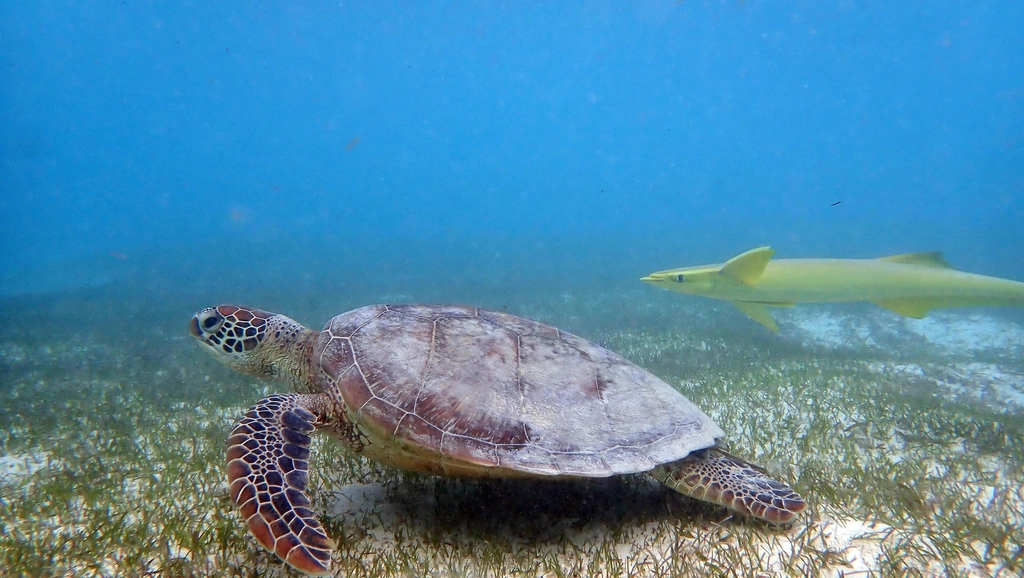
The dry season truly offers the ultimate conditions for exploring the rich biodiversity of the Indonesian archipelago. The calm surface conditions translate to minimal sediment disturbance, leading to exceptional underwater visibility. This is particularly crucial for drift dives in areas like the Nusa Islands, where strong currents can carry you past incredible coral formations and large pelagic species. Water temperatures remain comfortably between 26-29°C, minimizing the need for thick wetsuits. Beyond Bali and Lombok, the dry season is also the best time for expeditions to Komodo National Park, a UNESCO World Heritage site UNESCO World Heritage site, renowned for its dragon and incredible dive sites. Here, between May and October, you can encounter diverse marine life including reef sharks, turtles, and an incredible array of colorful fish. For the most exclusive diving experiences, consider a private yacht charter with a dedicated dive master, allowing access to remote and untouched reefs.
Riding the Waves: Swell Seasons
The surfing calendar for next bali lombok is distinctly bimodal. From May to September, Bali’s west coast is the undisputed king. Iconic spots like Uluwatu, Bingin, and Echo Beach deliver consistent, powerful swells, attracting surfers from around the globe. This is the ideal time for both seasoned pros and those looking to learn at high-end surf camps. Board rentals and lessons are readily available, often with luxury resort affiliations. As the seasons shift, from November to March, the focus moves to Bali's east coast and Lombok’s south. Breaks such as Keramas, with its powerful right-hand barrels, and the various spots around Kuta Lombok, offer different challenges and fewer crowds. Desert Point in Lombok, a legendary left-hand barrel, also comes alive during this period. Regardless of the season, luxury surf retreats provide expert coaching, high-performance boards, and exclusive access to the best breaks, ensuring an exceptional experience.
05
Festivals & Cultural Rhythms: Timing Your Immersion
Beyond the weather and marine conditions, the cultural of next bali lombok pulses with a vibrant calendar of ceremonies and festivals, profoundly influencing the atmosphere and offering unique opportunities for immersion. These events, often dictated by the Balinese Saka calendar (a lunar-solar system) or local traditions, can transform your visit into an unforgettable journey of discovery. Timing your trip to coincide with a major festival allows for a deeper understanding of the local spiritual and artistic life, offering a glimpse into rituals passed down through generations. From the solemnity of Nyepi, the Day of Silence, to the joyous processions of Galungan and Kuningan, these celebrations are integral to the fabric of the islands. They present not just a spectacle but an invitation to witness the profound connection between the people, their beliefs, and their environment. While some events might entail temporary closures or altered schedules, the richness of the experience far outweighs any minor inconvenience, offering a truly bespoke cultural encounter.
Local art exhibitions, traditional dance performances, and culinary festivals also punctuate the year, providing further layers of engagement. The Ubud Writers & Readers Festival, typically held in October, draws international literary figures and offers a stimulating intellectual environment. Similarly, the Bali Spirit Festival, usually in March or April, unites yoga, dance, and music enthusiasts from across the globe. For those seeking to integrate cultural authenticity with their luxury escape, researching the annual festival calendar is an essential step in planning. Many luxury resorts offer special cultural programs or guides during these times, ensuring guests can respectfully participate or observe, gaining insights that go far beyond a typical tourist experience. This the local rhythms truly defines the luxury of a well-planned trip to next bali lombok.
Sacred Celebrations: Nyepi and Galungan
Nyepi, the Balinese Day of Silence, is perhaps the most unique cultural event. Typically falling in March or April, it's a day of complete silence, fasting, and meditation. The entire island shuts down for 24 hours – no flights, no traffic, no lights, no noise. For a luxury traveler, this offers an exceptional opportunity for profound introspection and relaxation, often enjoyed within the serene confines of a private villa. The day before, the Ogoh-Ogoh parade sees giant effigies paraded through the streets, a vibrant and noisy spectacle. Galungan and Kuningan, occurring every 210 days, celebrate the victory of dharma over adharma. During these periods, the streets are adorned with 'penjor' – tall, decorated bamboo poles – and temples are bustling with ceremonies. These are deeply spiritual times, offering a chance to witness traditional Balinese life at its most vibrant and authentic